


 English
 中文简体
中文简体 русский
 Français
 Español
 Português
 Deutsch
 عربى
عربىOutdoor Camping Lantern Suppliers
Products
About Us
Ningbo Happy Island Baby Products Co., Ltd is a professional China Outdoor Camping Lantern Suppliers and Outdoor Camping Lantern manufacturers. It is located in Cixi City Zhejiang Province China. Is a company developing, manufacturing and marketing baby playpens, baby strollers and related baby products.Our company has a profesional, conscientious, young and passionate management and engineering team. We strictly follows the ISO9001:2015 quality management system to make the quality and value. We specialize in 1 Baby Products for export and sales, We stress on developing new products and technical improvement to ensure the products’s design, modeling and fuction to keep pace with international level. We have set up a strict quality control system according to ISO and CE standards to ensure the quality of our machines. For any questions and feedback from customers, we will reply patiently and meticulously. We sincerely welcomes new and old customers to visit us.
-
100+
Enterprise employees
-
10+
Technical staff
-
30+
Exporting country

-
Customization
We have a strong R&D team,and we can develop and produce products according to the drawings or samples the customers offered.
-
Service
We focus on developing high-quality products for top-end markets.Our products are in line with international standards,and are mainly exported to Europe, America and other destinations around the world.
-
Shipment
We are only tens of kilometers away from the Ningbo Port,it is very convenient and efficient to ship goods to any other countries.
+ 86-0574-63511563 -
Quick Response
For any inquiry from customers, we will reply within 12 hours in working days.
No.1658, Xiaolin Street, Xiaolin Town, Cixi City, Zhejiang Province, China.
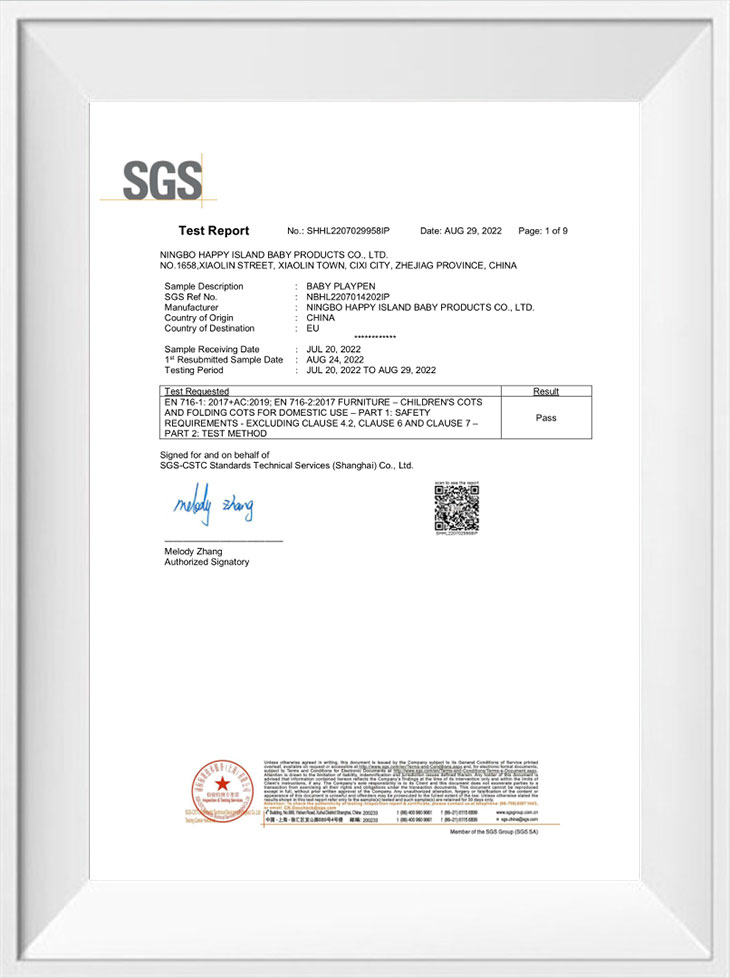
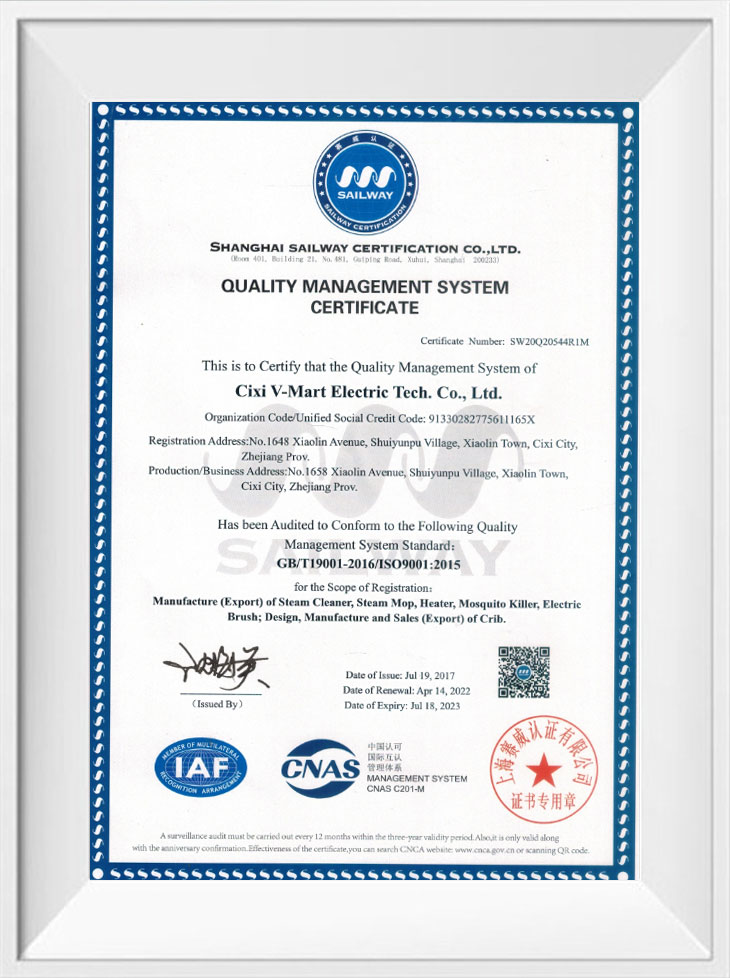
Certificate
Latest News
-
Is it necessary to disinfect the baby bed regularly?
Regular disinfection of the baby crib is required. This is mainly because the crib is an important piece of furniture that infants and young children ...
-
Can I use soap to clean the baby bed?
Soap can be used to wipe the baby crib, but it is important to pay attention to some details and choose the appropriate type of soap.Firstly, ensure t...
-
Is the double door dome outdoor travel tent suitable for outdoor use?
The materials and design of the double door dome outdoor travel tent are very suitable for outdoor use. The tent has two double zipper doors and two g...
-
What impact does the choice of material of the T300 Lightweight Tri Fold Baby Stroller have on the stability and durability of the stroller?
The choice of material for the T300 lightweight three-fold stroller has a significant impact on the stability and durability of the stroller. As a hig...
Contact Us
Be the First to Know
For exclusive deals and latest offers, sign up by entering your email address below.
"Industry Knowledge Development"
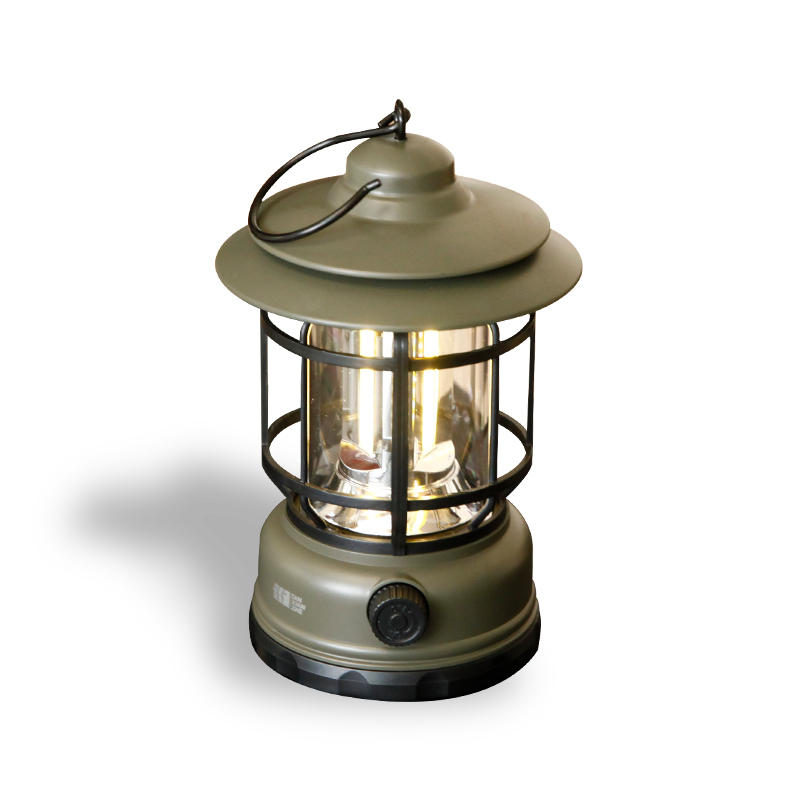
When it comes to outdoor camping lanterns, there are several options available to suit different needs and preferences. Here are a few popular types of camping lanterns:
1.Traditional Lanterns: These lanterns resemble classic gas or kerosene lanterns and use fuel or batteries to provide light. They usually have a handle for easy carrying and can be hung inside a tent or used as a standalone light source. Traditional lanterns often have adjustable brightness settings.
2.LED Lanterns: LED (Light-Emitting Diode) lanterns have become increasingly popular due to their energy efficiency and brightness. They use LED bulbs to provide illumination and are powered by batteries. LED lanterns are lightweight, durable, and offer long battery life. They often come with adjustable brightness settings and may have additional features like built-in flashlights or USB charging ports.
3.Solar-Powered Lanterns: Solar-powered lanterns are environmentally friendly and rely on solar energy to recharge their batteries. They typically have built-in solar panels that absorb sunlight during the day and store the energy for nighttime use. Solar lanterns are ideal for locations with ample sunlight and can save on battery usage.
4.Rechargeable Lanterns: Rechargeable lanterns can be powered through various methods such as USB charging, car chargers, or AC adapters. These lanterns eliminate the need for constantly replacing batteries and are convenient for extended camping trips or emergencies. They often have multiple lighting modes and may feature power indicator lights to display the remaining battery level.
5.Backpacking Lanterns: Backpacking lanterns are designed to be lightweight and compact, making them suitable for backpackers or hikers who prioritize portability. These lanterns often utilize LED technology and may have collapsible designs for easy storage. Some backpacking lanterns can also be attached to tents or backpacks using built-in hooks or magnets.
Choosing a outdoor camping lantern requires considering several factors to ensure you have a reliable and suitable light source for your camping adventures. Here are some important considerations to keep in mind when selecting a camping lantern:
1.Brightness: Look for a lantern with adjustable brightness settings. This allows you to customize the amount of light based on your needs and conserve battery life when necessary. Consider the lumens rating, which indicates the brightness level. Higher lumens mean brighter light.
2.Lighting Options: Some lanterns offer different lighting modes such as a spotlight, floodlight, or a combination of both. Assess your needs and choose a lantern that provides the lighting options you require for your camping activities.
3.Power Source: Camping lanterns typically use batteries or rechargeable power sources. Battery-powered lanterns are convenient but may require you to carry extra batteries. Rechargeable lanterns are more eco-friendly but require access to a power source for recharging. Consider your camping duration and availability of power sources to make the right choice.
4.Battery Life: Check the estimated battery life of the lantern, especially if you're going on longer trips. Some lanterns have longer-lasting batteries, while others may have shorter durations but offer brighter light. Consider the balance between battery life and brightness that suits your needs.
5.Size and Weight: Consider the size and weight of the lantern, especially if you're backpacking or have limited space. Compact and lightweight lanterns are easier to carry and transport.
6.Durability and Weather Resistance: Look for a lantern that is built to withstand outdoor conditions. It should be durable, water-resistant, and able to handle rough handling. This ensures the lantern can withstand the rigors of camping and continue to function reliably.
7.Ease of Use: Consider the ease of use and user-friendly features of the lantern. Look for features like easy on/off switches, adjustable handles or hooks for hanging, and intuitive controls.
8.Additional Features: Some lanterns come with extra features such as built-in USB ports for charging other devices, built-in flashlights, or SOS modes. Determine which additional features are important to you and choose accordingly.
9.Reviews and Recommendations: Read customer reviews and seek recommendations from fellow campers or outdoor enthusiasts. Their experiences can provide valuable insights into the performance, reliability, and durability of different camping lanterns.
10.Budget: Set a budget that aligns with your requirements and explore options within that range. There are camping lanterns available at various price points, so you can find a suitable one that fits your needs and budget.
By considering these factors and evaluating your specific requirements, you can choose an outdoor camping lantern that will provide reliable and efficient lighting during your camping adventures.
When it comes to outdoor camping lanterns, there are several options available to suit different needs and preferences. Here are a few popular types of camping lanterns:
1.Traditional Lanterns: These lanterns resemble classic gas or kerosene lanterns and use fuel or batteries to provide light. They usually have a handle for easy carrying and can be hung inside a tent or used as a standalone light source. Traditional lanterns often have adjustable brightness settings.
2.LED Lanterns: LED (Light-Emitting Diode) lanterns have become increasingly popular due to their energy efficiency and brightness. They use LED bulbs to provide illumination and are powered by batteries. LED lanterns are lightweight, durable, and offer long battery life. They often come with adjustable brightness settings and may have additional features like built-in flashlights or USB charging ports.
3.Solar-Powered Lanterns: Solar-powered lanterns are environmentally friendly and rely on solar energy to recharge their batteries. They typically have built-in solar panels that absorb sunlight during the day and store the energy for nighttime use. Solar lanterns are ideal for locations with ample sunlight and can save on battery usage.
4.Rechargeable Lanterns: Rechargeable lanterns can be powered through various methods such as USB charging, car chargers, or AC adapters. These lanterns eliminate the need for constantly replacing batteries and are convenient for extended camping trips or emergencies. They often have multiple lighting modes and may feature power indicator lights to display the remaining battery level.
5.Backpacking Lanterns: Backpacking lanterns are designed to be lightweight and compact, making them suitable for backpackers or hikers who prioritize portability. These lanterns often utilize LED technology and may have collapsible designs for easy storage. Some backpacking lanterns can also be attached to tents or backpacks using built-in hooks or magnets.
Choosing a outdoor camping lantern requires considering several factors to ensure you have a reliable and suitable light source for your camping adventures. Here are some important considerations to keep in mind when selecting a camping lantern:
1.Brightness: Look for a lantern with adjustable brightness settings. This allows you to customize the amount of light based on your needs and conserve battery life when necessary. Consider the lumens rating, which indicates the brightness level. Higher lumens mean brighter light.
2.Lighting Options: Some lanterns offer different lighting modes such as a spotlight, floodlight, or a combination of both. Assess your needs and choose a lantern that provides the lighting options you require for your camping activities.
3.Power Source: Camping lanterns typically use batteries or rechargeable power sources. Battery-powered lanterns are convenient but may require you to carry extra batteries. Rechargeable lanterns are more eco-friendly but require access to a power source for recharging. Consider your camping duration and availability of power sources to make the right choice.
4.Battery Life: Check the estimated battery life of the lantern, especially if you're going on longer trips. Some lanterns have longer-lasting batteries, while others may have shorter durations but offer brighter light. Consider the balance between battery life and brightness that suits your needs.
5.Size and Weight: Consider the size and weight of the lantern, especially if you're backpacking or have limited space. Compact and lightweight lanterns are easier to carry and transport.
6.Durability and Weather Resistance: Look for a lantern that is built to withstand outdoor conditions. It should be durable, water-resistant, and able to handle rough handling. This ensures the lantern can withstand the rigors of camping and continue to function reliably.
7.Ease of Use: Consider the ease of use and user-friendly features of the lantern. Look for features like easy on/off switches, adjustable handles or hooks for hanging, and intuitive controls.
8.Additional Features: Some lanterns come with extra features such as built-in USB ports for charging other devices, built-in flashlights, or SOS modes. Determine which additional features are important to you and choose accordingly.
9.Reviews and Recommendations: Read customer reviews and seek recommendations from fellow campers or outdoor enthusiasts. Their experiences can provide valuable insights into the performance, reliability, and durability of different camping lanterns.
10.Budget: Set a budget that aligns with your requirements and explore options within that range. There are camping lanterns available at various price points, so you can find a suitable one that fits your needs and budget.
By considering these factors and evaluating your specific requirements, you can choose an outdoor camping lantern that will provide reliable and efficient lighting during your camping adventures.

PRODUCT
LATEST NEWS
QR CODE
Sweep contact us

